




Fish Hook Summit 2026
Fish Hook Summit 2026 Focuses on Resilience, Climate and Collective Action
More than 200 people gathered at the Napier War Memorial Conference Centre on 10 June for Ngāti Kahungunu Iwi Incorporated’s 14th Fish Hook Summit, united by the theme “Resilience, Climate, People, Hoha.”
The annual summit brought together kaitiaki, environmental practitioners, researchers, community leaders, and whānau from across the six Kahungunu districts to share mātauranga, practical solutions and collective responses to the growing pressures facing the taiao and our communities.
Throughout the day, speakers reminded us that resilience is not just about responding to climate change. It is about strengthening our relationships with whenua, wai, whakapapa and each other, while remaining grounded in a clear vision for the future. As Ngaio Tiuka reflected, the challenge is not simply reacting to changing policies and environmental pressures but knowing what outcomes we want for our whenua and waterways. “Clear values and goals are important. Otherwise what do representatives represent? What do advocates advocate?”
Pereri King of Te Taiwhenua o Te Whanganui-a-Orotū opened with kōrero that grounded the day in kaitiakitanga. “Each body of water, each rock, each tree. They have their own kaitiaki. We are listeners, we are interpreters of their kōrero,” they shared. Their message was clear: ‘caring for the taiao begins with listening’.
This whakaaro was echoed through the Te Whanganui-a-Orotū video, where Joe Reti and Albert Hapuku Te Nahu Baker reflected, “The whenua became our teacher, the awa became our classroom, and the tohu of the taiao became our greatest source of knowledge.” They reminded participants that the strongest infrastructure is not always physical, saying, “We realised we weren’t monitoring projects, we were monitoring relationships.”
Guest speaker Mike Smith challenged attendees to confront the urgency of climate change, describing it as “not simply an environmental crisis, it’s also a constitutional challenge.” He spoke of accountability, justice and the responsibility we carry, noting that “the decisions we make today will affect generations yet unborn.”
Raihania Tipoki continued this wero, saying, “What’s happening to our taiao is no joke.” His kōrero called people back to the land and to the truth that “we are the taiao.” He said, “Our collective resilience lies in our relationship with the whenua,” encouraging whānau to reconnect deeply and remember that caring for the land is ultimately caring for ourselves.
That connection between environmental well-being and human well-being was a recurring theme throughout the summit. Ngaio reminded attendees that “the health of our environment has a direct influence on the health of our people,” while speakers from Wairarapa and Tamatea reinforced the inseparable relationship between healthy waterways, thriving ecosystems and strong communities.
Closing the summit, Pā Robert McGowan reflected on the strength he had heard throughout the day. “It’s been an absolutely magnificent day,” he said. “When you listen to each other, you sort of get the sense of how much strength there is with you as an iwi.”
His closing message brought the kaupapa back to hope, unity and action. “If we’ve got hope, nothing’s impossible,” he said. “If we haven’t got hope, no matter how many resources we might get, how much funding we might get from whoever, we’re not gonna succeed.”
Pā Robert reminded participants that good ideas must lead somewhere. “All the best ideas are worth nothing unless they lead to action,” he said. “This action doesn’t mean he will do something, or she will do something; it means when we do something.”
By the end of the summit, the message was clear. Resilience for Ngāti Kahungunu is built through rangatiratanga, relationships and responsibility. As Shade Smith put it, “Resilience through rangatiratanga.” It is not simply about more monitoring or more reports. It is about exercising kaitiakitanga, protecting the values that matter most, and ensuring future generations inherit both healthy ecosystems and the confidence to care for them.
As Pā Robert reminded everyone, “The key to our future is working together.” In a time of climate pressure, policy change and ongoing challenges for whānau and whenua, kotahitanga remains one of the strongest tools Ngāti Kahungunu has.


PRESENTER DATA


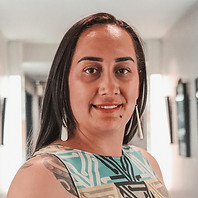
Kiino Krystal
MC - Facilitator
Crystal Edwards, Independent MC/Host, has been facilitating Kahungunu Conferences and Events for over 10 years. She brings a bilingual flow and a Kiino flamboyant flavour to our events. Crystal is also the the Te Taiwhenua o Heretaunga representative on the NKII Board.

Hori Reti
Respected Chairman of the Te Whanganui-a-Orotū Taiwhenua
Hori represents Te Taiwhenua o Te Whangnaui A Orotu on the NKII Board. Respected Minister, Hori will open our event as a Tangata Whenua leader and lead us into the Te Whanganui-a-Orotū Presentation.

Pereri King
Co-presenter for Te Whanganui-a-Orotū Taiwhenua
Pereri King (Ngāti Kahungunu) is a Napier-based kaiwhakaako, storyteller, artist, and environmental advocate whose work is dedicated to reconnecting people with te taiao through mātauranga Māori, whakapapa, and pūrākau.

Jonathan Dick
Presenter for Te Whanganui-a-Orotū Taiwhenua
Jonathan Dick is a resource management and Māori development specialist with more than 20 years’ experience in environmental planning, fisheries management, and Treaty settlement processes, having held senior leadership roles within Ngāti Kahungunu and worked extensively to advance sustainable, iwi-led environmental and economic development.
